A
Acacia Decurrens Flower Wax
Plant-derived wax used to improve texture and stability and to form a light protective film on the skin.
Acacia Senegal Gum
Natural polysaccharide (gum arabic) used as a thickener, stabilizer, and film-forming agent.
Acetyl Glucosamine
Sugar derivative (N-acetylglucosamine) used as a moisturizing and skin-conditioning ingredient.
Acetyl Hexapeptide-8
Synthetic peptide used in skincare products as a skin-conditioning, anti-aging–oriented ingredient.
Adansonia Digitata Fruit Extract
Extract from baobab fruit, used as a skin-conditioning botanical with antioxidant-related properties.
Alanine
Amino acid naturally present in the skin and used as a moisturizing and conditioning component.
Allantoin
Skin-soothing ingredient commonly used in formulations for sensitive or irritated skin.
Aqua
Water; serves as a solvent and base for many cosmetic formulations.
Arachidyl Alcohol
Fatty alcohol (non-drying) used as an emollient and consistency agent.
Arachidyl Glucoside
Sugar-based emulsifier that helps stabilize oil-in-water formulations.
Arginine
Amino acid used as a skin-conditioning and pH-adjusting ingredient.
Avena Sativa Kernel Extract
Oat kernel extract, commonly used in gentle, skin-soothing formulations.
B
Bakuchiol
Plant-derived ingredient used in anti-aging formulations as an alternative to vitamin A derivatives.
Behenyl Alcohol
Long-chain fatty alcohol used as an emollient and texture-enhancing ingredient.
Betaine
Osmolyte (often derived from sugar beet) used as a moisturizing and skin-conditioning ingredient.
C
Calcium Pantothenate
Salt of pantothenic acid (vitamin B5), used as a skin-conditioning ingredient.
Caprylic/Capric Triglyceride
Lightweight triglyceride oil that improves skin softness and spreadability.
Caprylic/Capric/Myristic/Stearic Triglyceride
Blend of triglycerides used as an emollient and texture agent in creams and lotions.
Caprylyl Glycol
Moisturizing ingredient with additional antimicrobial properties, often part of a preservation system.
Cardiospermum Halicacabum Flower/Leaf/Vine Extract
Balloon vine extract used as a skin-conditioning botanical ingredient.
Centella Asiatica Leaf Extract
Centella (tiger grass) extract, commonly used as a botanical skin-conditioning ingredient.
Ceramide Bp
Ceramide lipid used in formulations designed to support the skin barrier.
Ceramide Np
Ceramide lipid used to complement skin-identical barrier lipids in skincare products.
Cetearyl Alcohol
Fatty alcohol used as a consistency agent and co-emulsifier, contributing to a creamy texture.
Cetearyl Glucoside
Non-ionic, sugar-based emulsifier used to stabilize emulsions.
Citric Acid
Citric acid used primarily for pH adjustment and as a formulation aid.
Cocamidopropyl Betaine
Mild surfactant/co-surfactant used in cleansing products to improve foam and mildness.
Coco-Caprylate/Caprate
Plant-derived emollient with a light, dry skin feel, often used as an alternative to silicones.
Coco-Glucoside
Mild sugar-based surfactant commonly used in gentle cleansing formulations.
Cyamopsis Tetragonoloba Gum
Guar gum used as a thickener and stabilizer for viscosity and gel structure.
D
Decyl Glucoside
Very mild sugar-based surfactant, frequently used in products for sensitive skin.
Dipotassium Glycyrrhizate
Licorice-derived ingredient used as a soothing, skin-conditioning component.
E
Ectoin
Extremolyte used as a skin-conditioning and protective ingredient in skincare formulations.
F
G
Glucose
Sugar (dextrose) used as a moisturizing and formulation-supporting ingredient.
Glutamic Acid
Amino acid used as part of moisture-focused skincare formulations.
Glycerin
Well-established humectant that binds water in the outer layers of the skin.
Glyceryl Caprylate
Multifunctional ingredient used as a co-emulsifier/emollient and as part of preservation systems.
Glyceryl Oleate
Re-fatting co-emulsifier commonly used in cleansing products to reduce skin dryness.
Glyceryl Stearate Citrate
Emulsifier that stabilizes emulsions and contributes to a smooth, creamy texture.
Glycine
Amino acid used as a skin-conditioning and moisture-related ingredient.
Glycolic Acid
Alpha hydroxy acid (AHA) used for pH adjustment and exfoliating concepts at appropriate concentrations.
Guar Hydroxypropyltrimonium Chloride
Cationic guar derivative used as a conditioning agent for skin and hair, improving slip and combability.
H
Hectorite
Mineral thickener and stabilizer (clay) used to control texture and formulation stability.
Helianthus Annuus Seed Oil
Sunflower seed oil; plant oil rich in fatty acids, commonly used in barrier-supporting formulations.
Helianthus Annuus Seed Oil Unsaponifiables
Unsaponifiable components of sunflower oil (e.g., phytosterols, tocopherols) used as skin-conditioning ingredients.
Helianthus Annuus Seed Wax
Sunflower seed wax used as a consistency agent and film former.
Hydrogenated Palm Glycerides Citrate
Structure- and stability-enhancing ingredient based on hydrogenated plant lipids, supporting emulsion stability.
Hydrogenated Starch Hydrolysate
Carbohydrate/polyol mixture used as a humectant and texture modifier.
Hydroxyapatite
Mineral substance (calcium phosphate) used as a filler or texture-modifying ingredient in cosmetic and oral-care products.
Hydroxyectoin
Ectoin derivative used as a skin-conditioning, protective ingredient.
I
Inositol
Vitamin-like substance used as a skin-conditioning ingredient in cosmetics.
Isomalt
Sugar alcohol used as a humectant and formulation aid.
J
Jojoba Esters
Jojoba wax esters used as emollient lipids for a smooth, soft skin feel.
K
Kefiran
Polysaccharide derived from kefir cultures, used mainly as a film-forming and texture-supporting ingredient.
L
Lactic Acid
Alpha hydroxy acid (AHA) used for pH adjustment and exfoliating concepts in suitable formulations.
Lactobacillus Ferment Lysate Filtrate
Ferment/lysate filtrate (postbiotic ingredient) used as a skin-conditioning component.
Lysine Hcl
Salt of the amino acid lysine, used as a skin-conditioning and moisture-related ingredient.
M
Maltodextrin
Carbohydrate commonly used as a carrier or stabilizer for plant extracts and active ingredients.
Maltooligosyl Glucoside
Carbohydrate derivative used as a humectant and texture-modifying ingredient.
N
O
Octyldodecanol
Emollient ingredient that improves spreadability and contributes to skin softness.
Oenothera Biennis Oil
Evening primrose oil; plant oil with a characteristic fatty acid profile, often used in products for dry skin.
P
Palmitoyl Pentapeptide-4
Synthetic signal peptide used as an anti-aging–oriented skin-conditioning ingredient.
Panthenol
Provitamin B5; widely used in moisturizing and soothing skincare formulations.
Parfum
Collective term for fragrance ingredients used to scent cosmetic
products; may be irritating to sensitive skin depending on composition.
PCA
Pyrrolidone carboxylic acid; part of the skin’s natural moisturizing factor (NMF).
Pentylene Glycol
Humectant and solvent; often used as a preservative booster in cosmetic formulations.
Phenylpropanol
Fragrance ingredient and formulation aid with antimicrobial side effects.
Phospholipids
Membrane lipids used as conditioning ingredients and as carriers, e.g., in liposomal systems.
Platonia Insignis Seed Butter
Bacuri butter; plant butter used as a rich emollient and texture agent.
Polyglycerin-3
Polyglycerin used as a humectant and auxiliary ingredient in emulsions.
Polyglyceryl-3 Rice Branate
Plant-derived emulsifier based on rice bran derivatives.
Polyglyceryl-4 Caprate
Emulsifier/solubilizer that helps combine oil and water, sometimes with mild surfactant character.
Polyglyceryl-6 Caprylate
Solubilizer/co-surfactant commonly used in mild cleansing and sensitive-skin formulations.
Potassium Lactate
Lactate salt used as a humectant and pH buffer, related to the natural moisturizing factor system.
Proline
Amino acid used as a skin-conditioning and moisture-related ingredient.
Q
R
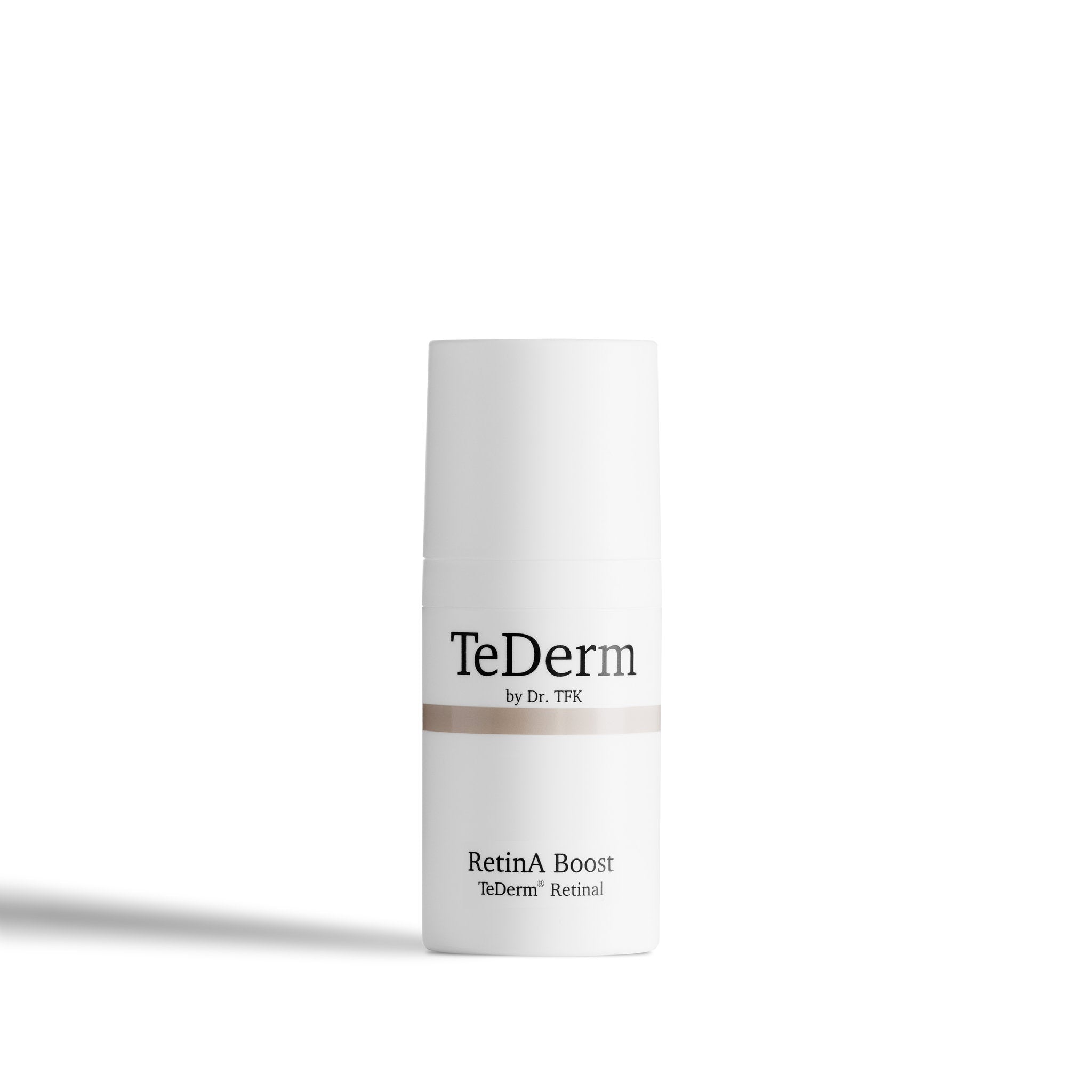
Retinal
Retinaldehyde (vitamin A aldehyde); vitamin A derivative used in anti-aging and blemish-focused formulations.
Retinol
Vitamin A derivative widely used in anti-aging skincare; requires stable formulation and appropriate use.
Ribes Nigrum Seed Oil
Black currant seed oil; plant oil rich in omega fatty acids, used as an emollient lipid source.
Rosmarinus Officinalis Leaf Extract
Rosemary leaf extract used as an antioxidant-oriented botanical ingredient and sometimes for formulation stabilization.
S
Sclerotium Gum
Microbial polysaccharide used as a gelling agent and stabilizer for texture and consistency.
Serine
Amino acid and component of the natural moisturizing factor, used as a skin-conditioning ingredient.
Simmondsia Chinensis Seed Oil
Jojoba oil (chemically a liquid wax); highly stable emollient used in skin and hair care.
Sodium Citrate
Citrate salt used as a pH buffer and formulation stabilizer.
Sodium Hyaluronate
Salt of hyaluronic acid; humectant that binds water in the outer skin layers.
Sodium Hydroxide
Sodium hydroxide; used in small amounts for pH adjustment.
Sodium Lactate
Lactate salt used as a humectant and pH buffer, related to the NMF system.
Sodium PCA
Sodium salt of PCA; widely used humectant associated with the skin’s natural moisturizing factor.
Sodium Stearoyl Glutamate
Amino acid–based emulsifier that stabilizes emulsions and improves skin feel.
Squalane
Highly stable, skin-compatible lipid used as a lightweight emollient.
Succinic Acid
Succinic acid; used as a pH-regulating and formulation-supporting ingredient, sometimes in blemish-oriented products.
T
Threonine
Essential amino acid used as a skin-conditioning and moisture-related ingredient.
Tocopherol
Vitamin E; antioxidant used to protect formulations and support the skin against oxidative stress.
U
V
Vaccaria Segetalis (Cowherb) Extract
Botanical extract used as a skin-conditioning ingredient, depending on extract standardization.
W
X
Xanthan Gum
Polysaccharide thickener and stabilizer used in gel and emulsion systems.
Xanthophylls
Group of carotenoids (e.g., lutein, zeaxanthin) used as antioxidant-oriented supportive ingredients.
Y
Z
Zinc PCA
Zinc salt of PCA; used in skincare formulations for oily or blemish-prone skin.